29 Jun 2026
What Are The Causes of Constipation and How to Treat It In Children

Constipation is common in children. Read here to know the causes of constipation, which formula milk is good for them, and how to treat it. Learn more.

Constipation is the condition in which an individual has reduced frequency of bowel movements, or finds difficulty in having bowel movements or clearing the bowels. It is uncommon in young breastfed children, but relatively common in children during toilet training period and school-going age.
Constipation can affect your child in many ways. They may refuse to eat and miss out on essential nutrients, among other undesirable effects. Worried? Read this article for more information, and learn more about the causes, symptoms, and how to treat constipation in children.
What causes constipation in children
There are many reasons why constipation can happen, including diet, medications, activity, diseases and disorders. It can sometimes occur in young children, making it difficult to distinguish from colic. Children can also suffer from intentional stool retention, which is constipation due to stress when they’re not ready for toilet training.
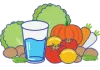
Unbalanced diet
An unbalanced diet is a key cause of constipation. Excessive intake of soft drinks, fatty foods, carbohydrates, or even protein can cause your child to become ‘backed up’. Insufficient intake of drinking water, fruits, and vegetables will also affect digestion.
Formula milk can firm up faeces, making it easier to get ‘stuck’. Cow milk protein and lactose found in some formulas can also be constipating for some children, so soy alternatives might help.
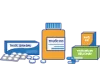
Taking some medication
Taking some medication – Antipyretics, analgesics, cough medicine, diarrhoea medicine could be a cause of dry stools and difficult bowel movements. Prebiotics, while often effective for certain forms of constipation, might actually worsen symptoms for others. Even vitamin supplement products containing calcium and iron can be a contributory factor.

Anal fissure
Difficult and painful bowel movements
Inactivity
That causes inactive peristalsis

Emotional disorders
Being in a stressful home or family atmosphere, with divorced parents, etc.
Diseases
Development of disorders related to the colon, rectum, nervous system, blood, etc.
How does constipation occur?
Constipation occurs when your colon has absorbed too much water from your waste which is your stool. This causes your stool to dry out making its consistency hard as well as difficult to be pushed out of the body10.
When your consumed food passes through the digestive tract, the nutrients from said foods are absorbed. The partially digested food or waste that is left behind will move from your small intestine to the large intestine which is also known as the colon. Water is then absorbed from the waste thus creating a solid matter which is the stool. If you are experiencing constipation, your food may be moving too slowly through the digestive tract. This causes the colon to take up too much time to absorb water from your waste. The stool then becomes way too dry, hard and is incredibly difficult — and possibly painful — to push out10.
Your child refuses to go to the toilet

This causes anal muscle spasms and squeezed buttock muscles

As a result, faeces are pushed up to the rectum valve

In turn, this causes constipation in your child
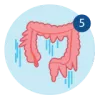
Leading to colon dilation and decreased rectal sensitivity
This results in prolonged faecal cumulation, contributing to constipation and other digestive problems
Symptoms
Constipation is generally difficult to define, as there are no clear indications of what is ‘normal’ in terms of the frequency of bowel movements, and symptoms may vary from child to child. Here are some signs if you’re concerned that your child could be suffering from constipation.

Difficult and infrequent bowel movements
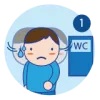
Refusal to go to the toilet

Underwear or diaper is sometimes unknowingly soiled
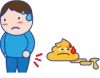
Experiences anal pain, has uncontrolled bowel movements or blood in stool

Stool looks solid, lumpy, or generally abnormal
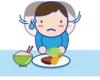
Refusing to eat, especially when presented with their favourite food or formula milk
How to treat constipation in children at home
Not all constipation incidents need medical attention. Before you rush to your medical practitioner, you may want to try these tips at home to ease the situation.
Change your formula
If your child is formula-fed, try a different formula. Perhaps a formula milk for constipation. Research the ingredients found in the formula milk to understand its effects and decide on which milk is good for constipation. Formula milk that is made with minimal processing (mild heat treatment) will be easier to digest, compared to heavily processed ones.
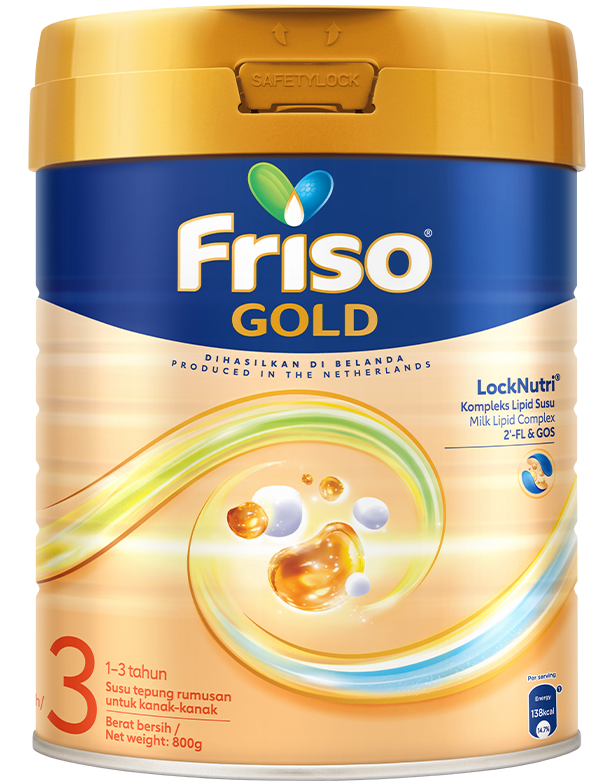
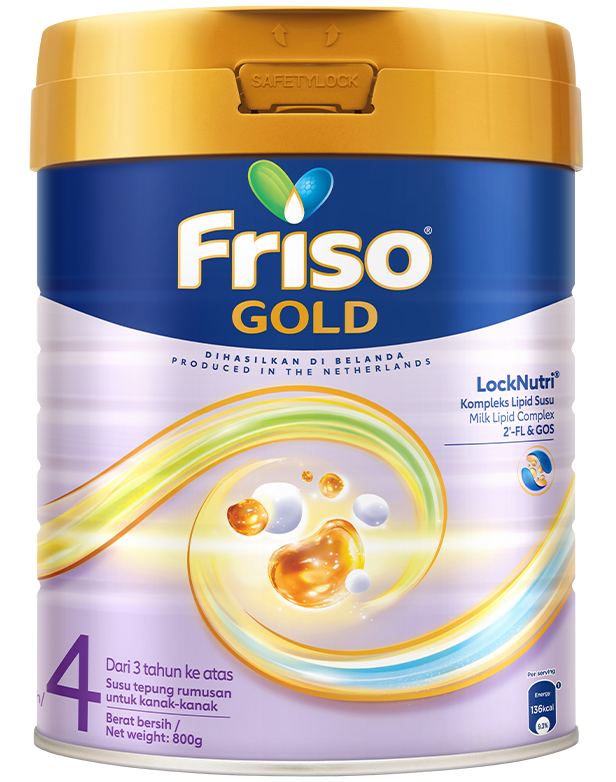
Try Friso® Gold Step 3 and Friso® Gold Step 4. Made with high quality milk and processed only once with LocNutri™ Technology to preserve maximum nutrients, Friso® Gold combines the magical goodness of nature with science to bring you high quality, easy to digest milk with more than 50 essential nutrients to help your child grow stronger from the inside. It is incredibly important for your child to have good digestion not only for their comfort but to also avoid complications in their future. You may request a sample: Try free 1-day trial pack or 50% off for 6 days-trial pack
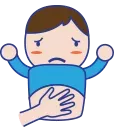
Tummy Rub
Make your child feel more comfortable with a tummy massage. Use warm hands with gentle pressure and motion
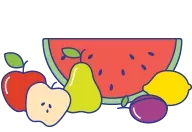
More Fruits
Eating apples, pears and prunes may help make bowel movements smoother
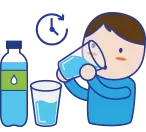
Hydrate Often
Make sure your child is drinking enough water throughout the day, not just during feeding times. Dehydration is a common cause for constipation and drinking plenty of water can often ease the symptoms.
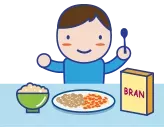
Higher Fibre
Ingredients matter – a lot. Feeding them foods rich in dietary fibre such as bran flakes, corn, oatmeal, brown rice, and beans may help soften stools and aid in digestion.
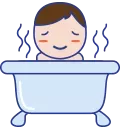
Warm Bath
This can help to relax the anal muscles and help to pass the stool
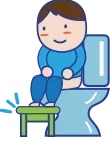
Right Position
Use a footstool to ensure that the feet are properly supported for better pooping posture
The Bristol stool scale
Interested to know what a ‘good’ faeces looks like? The Bristol stool scale is a 7-point standard used for clinical practice and research, and a good indication of whether your child has constipation. Check your child’s stool content and compare it with the following guide. Normal faeces should be the texture of Types 4 to 6, rather than dry and lumpy as shown in Types 1 to 3.

Type 1
Physical constipation
In hard lumps or shaped like nuts
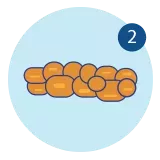
Type 2
Functional constipation
Sausage-shaped or lumpy stools

Type 3
Functional constipation
Like a sausage but with many cracks on the surface

Type 4
Normal bowel movements
Like a sausage or snake, smooth & soft
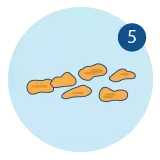
Type 5
Normal bowel movements
Soft blobs with clear cut edges

Type 6
Normal bowel movements
Fluffy pieces with ragged edges or mushy stools

Type 7
Diarrhoea
Watery with no solid pieces or entirely liquid
Effects of prolonged constipation
If your child has experienced this condition for a prolonged period, it would be wise to call your doctor. Your healthcare professional may prescribe probiotics, laxatives, or even surgical treatment for critical cases or organic causes. Do seek medical attention if your child is suffering from any of these following symptoms.
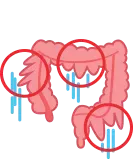
Colon dilation (where the colon is unnaturally extended)
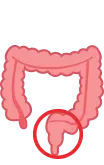
Rectocele (or rectum prolapse)
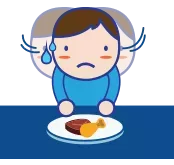
Poor appetite of your child, not accepting even their favourite treats or formula
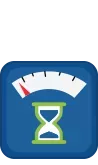
Slow weight gain in your child

Persistent pain in the abdomen, especially when accompanied by crying

Vomiting
Haemorrhoids
Haemorrhoids or piles are swollen, enlarged veins that form inside and outside the anus and rectum. They can be painful, uncomfortable and cause rectal bleeding11.
Faecal Impaction
Long-term constipation can cause faecal impaction, which is where dried, hard stools collect in your rectum and anus. Once you develop faecal impaction, it is unlikely that you will be able to get rid of stools naturally12.
Bowel Incontinence
Bowel incontinence is the loss of bowel control, causing stool to leak unexpectedly from the rectum13.
When to talk to the doctor
Call your child's doctor if your child is experiencing severe abdominal or rectal pain or if any of the following occurs14:
- Your child has fewer than three bowel movements per week.
- Your child has hard and dry stools.
- Your child does not want to eat or lose weight.
- You see blood in your child's bowel movement or diaper.
- Your child has recurring constipation.
- Your child complains of pain with bowel movements.
- You have trouble toilet training your child or your child refuses to sit on the toilet or seems afraid of having a bowel movement.
- You have questions or concerns about your child's bowel habits.
What to expect when you talk to your doctor about constipation?
When you speak to your paediatrician about your child’s bowel movements, it is not a pleasant topic. However, doctors are trained health professionals who have discussed just about every health topic you can think of with their patients15.
Your doctor will first ask you questions about your medical history, bowel movements, and your child’s lifestyle and routines15.
We hope this article has helped answer some of the questions you may have for child constipation as well as helped you decide on which milk is good for constipation. If in doubt, be sure to consult a medical professional for advice.
Reference
- NHS. Constipation - causes. Available at: http://www.nhs.uk/Conditions/Constipation/Pages/Causes.aspx
- NAfzal NA, Tighe MP, Thomson MA, et al. Constipation in children. Ital J Pediatr. https://www.ncbi.nlm.nih.gov/pmc/articles/PMC3143086/
- John Hopkins Medicine. Constipation in children. Available at: http://www.hopkinsmedicine.org/healthlibrary/conditions/pediatrics/constipation_in_children_90,P01986/
- Ali SR, Ahmed A, Qadir M, et al. Fecal Incontinence and Constipation in Children: A Clinical Conundrum. Oman Med J. 2011 Sep; 26(5): 376–378.
- Mayo Clinic. Constipation in children. Available at: https://www.mayoclinic.org/diseases-conditions/constipation-in-children/symptoms-causes/dxc-20235978
- Mayo Clinic. Self management. Available at: https://www.mayoclinic.org/diseases-conditions/constipation-in-children/manage/ptc-20236058
- NIDDK. Treatment for Constipation in Children. Available at: https://www.niddk.nih.gov/health-information/digestive-diseases/constipation-children/treatment
- Continence Foundation of Australia. Bristol stool chart. Available at: https://www.continence.org.au/pages/bristol-stool-chart.html
- Chao HC, Chen SY, Chen CC, et al. The impact of constipation on growth in children. Pediatr Res. 2008 Sep;64(3):308-11.
- Constipation; Symptoms, Causes, Treatment & Prevention. (2022). Retrieved 13 July 2022, from https://my.clevelandclinic.org/health/diseases/4059-constipation
- Hemorrhoids Treatment, Symptoms, Causes, Prevention. (2022). Retrieved 13 July 2022, from https://my.clevelandclinic.org/health/diseases/15120-hemorrhoids
- Constipation symptoms and treatments. (2022). Retrieved 13 July 2022, from https://www.nhsinform.scot/illnesses-and-conditions/stomach-liver-and-gastrointestinal-tract/constipation#complications-of-constipation
- Fecal incontinence - Symptoms and causes. (2022). Retrieved 13 July 2022, from https://www.mayoclinic.org/diseases-conditions/fecal-incontinence/symptoms-causes/syc-20351397#:~:text=Fecal%20incontinence%20is%20the%20inability,complete%20loss%20of%20bowel%20control
- UpToDate. (2021). Retrieved 13 July 2022, from https://www.uptodate.com/contents/constipation-in-infants-and-children-beyond-the-basics/print
- Constipation; Symptoms, Causes, Treatment & Prevention. (2022). Retrieved 13 July 2022, from https://my.clevelandclinic.org/health/diseases/4059-constipation
Explore Friso® Gold Products




You may also like