31 Jul 2026
Week 8 of Pregnancy: Basic Building Blocks Almost In Place

As your pregnancy progresses, there are some subtle (and not-so-subtle!) changes happening to both your body and child. From bodily changes to your child’s development and even pregnancy symptoms like morning sickness, here's what to expect at 8 weeks pregnant.

Week 6 - Pregnancy Recap
By week 6, the foetus is about the size of a lentil and is rapidly developing major organs, including the brain and heart. You may experience intensified pregnancy symptoms such as nausea, fatigue, breast tenderness, bloating and frequent urination. Mood swings and food aversions or cravings are also common. These changes are due to rising hormone levels, particularly hCG and progesterone. If you are now at this stage of pregnancy, learn more in our week 6 pregnancy article about things to do in early pregnancy to ease the process. 8
Week 7 - Pregnancy Recap
At week 7, the foetus is approximately the size of a blueberry and is growing rapidly, forming limbs and facial features. You might notice an increase in symptoms like morning sickness, heightened sense of smell, fatigue, breast tenderness, cravings, frequent urination, spotting, mood swings and gastrointestinal issues such as bloating, gas, heartburn and indigestion. These symptoms are a result of your body's hormonal adjustments to support your child's development. If you are now at this stage of pregnancy, learn more in our week 7 pregnancy article about things to do in early pregnancy to ease the process. 9
Your Foetal Development at Week 8
As you move through your first trimester, your child is growing rapidly — both in size and complexity. Here's what’s happening this week: 10
- Size update: Your child has grown from the size of a blueberry to a raspberry.
- Growth rate: They're growing at about 1 millimetre per day — not just in height, but all over, including limbs and back.
- Limbs: Webbed hands and feet are now forming, and fingers and toes are beginning to separate.
- Facial features: An upper lip, the tip of the nose, and very thin eyelids may be visible during an ultrasound.
- Teeth buds: Teeth are beginning to develop beneath the gums.
- Heartbeat: Their heart is beating at a strong pace — about 150 to 170 beats per minute.
This incredible transformation means your foetus at 8 weeks is forming more human features every day during week 8 pregnancy.
Bodily Changes and Pregnancy Symptoms
Along with your child's development, you would experience some pregnancy symptoms such as weight gain, skin changes, morning sickness, nausea and vomiting throughout the day, fatigue, food cravings, and aversions, bloating and some other body changes as highlighted in the previous articles for weeks 1–7. Now, let’s talk about other pregnancy symptoms and body changes you may be experiencing this week.
Internal Body Changes
The amniotic fluid volume is increasing, and your womb is expanding to accommodate your developing child. At the start of week 8 of your pregnancy, the uterus is about the size of an orange. Don't forget, first pregnancies take longer to show, so first-time moms can keep the pregnancy hidden for quite a while. If this is not your first pregnancy, a small belly starts forming by week 8. 11
Increased Vaginal Discharge
When hormone levels change and oestrogen increases blood flow to your pelvic area, it stimulates your body’s mucous membranes, and you may start seeing more vaginal discharge known as leukorrhea. Not to worry, leukorrhea protects the birth canal from infection by maintaining a healthy balance of bacteria. However, consult your doctor or healthcare provider if you are uncertain or uncomfortable. 11
Headaches
Since your blood volume will increase by just under 50% during pregnancy and pregnancy hormones are in full effect, blood pressure changes and headaches may occur. Do speak with your doctor or healthcare provider about trading aspirin and ibuprofen for other options that are safer for pregnancy. 11
Constipation
If you've been feeling constipated during your pregnancy, add some fibre to every meal. However, do not overdo it as it might leave you gassier than before. One dish that's higher in fibre is brown rice with roasted chicken and veggies. Make sure not to overload your system with brown rice, tofu, and broccoli though! 11
Varicose Veins
Increased blood flow, pregnancy hormones and a growing womb could make you prone to varicose veins. These happen when blood collects in weak spots in your veins, and this causes the veins to bulge under your skin. This pregnancy symptom often starts to appear in the first trimester and is usually harmless. However, if you feel any discomfort, be sure to mention it to your healthcare provider during the next appointment. 11
Quick Guide for Week 8 of Pregnancy
Things to do in early pregnancy include prioritizing your body’s health and fitness. Here are some easy ways to start:
Ease Into Exercise
If you haven't worked out in a while, start slow—you still have many months of pregnancy ahead of you! Overdoing it can lead to injury, nausea, overheating, and exhaustion. Begin with 10 minutes of gentle warm-up, followed by 5 minutes of moderate exercise, and a 5-minute cooldown. Then increase the moderate portion of your exercise by 5 minutes every week until you hit the recommended 150 minutes of exercise per week. 12
Start Doing Squats
Add squats to your exercise. Doing squats during your pregnancy will strengthen and tone your thighs. This is helpful during labour, as stronger legs can help your child descend. 12
Use Sunblock
Hormone surges in pregnancy can cause dark spots on your skin and face. Freckles and moles may look darker, and there's probably a dark line down the centre of your abdomen called the 'linea nigra' which is common during pregnancy. In addition to sunblock, make sure to wear a wide hat for extra protection! 12
Go for Healthy Carbs
Choose healthy complex carbohydrates that nourish your child and give your body the energy it needs without taxing your digestive system. Some healthy carbs include fresh fruits, fresh vegetables, dried fruits, whole-grain breads, crackers, baked potatoes, dried beans, and peas. 12
What to Expect for Week 9 of Your Pregnancy
At week 9, you are in the third month of your pregnancy. This is a significant time as your child transitions from an embryo to a foetus. Scheduling a prenatal check-up with your healthcare provider is advisable to monitor your child development and discuss any concerns.
Physical changes in your body may still be minimal, but you might start noticing a slight rounding of your lower abdomen as your uterus expands.
Common symptoms during week 9 include: 13
- Fatigue: Your body is working hard to support your growing child which can leave you feeling unusually tired.
- Morning sickness: Nausea and vomiting may persist or intensify around this time.
- Frequent urination: The growing uterus places pressure on your bladder, leading to more frequent trips to the bathroom.
- Digestive issues: Hormonal changes can cause bloating, gas, heartburn, and indigestion.
- Breast tenderness: Your breasts may feel sore or sensitive as they prepare for breastfeeding.
- Mood swings: Fluctuating hormones can affect your emotions, leading to sudden changes in mood.
If you are now at this stage of pregnancy, learn more in our week 9 pregnancy article about things to do in early pregnancy to ease the process.
Frisomum®️ – Our Formula Milk Alternative During Your Pregnancy
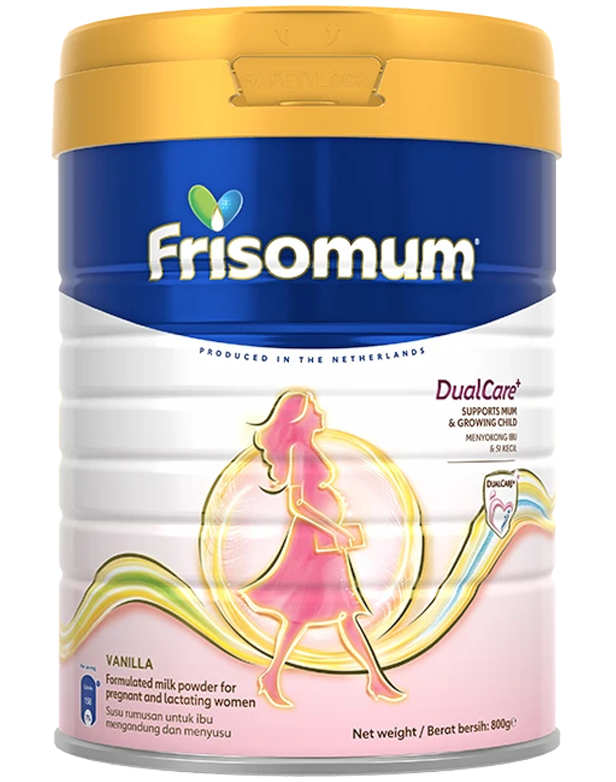
Frisomum®️, our preferred prenatal milk for mothers, retains the natural nutrients of the milk to support you through your pregnancy journey such as:
Vitamin D - Necessary for the absorption and utilisation of calcium and phosphorus.1
Calcium - Helps in the normal growth and development of bones and teeth.2
Vitamin B12 - Needed for red blood cell production and the healthy functioning of the nervous system.3
Folic Acid - Folic acid is essential for growth and division of cells. Folate plays a role in the formation of red blood cells. Folate helps to maintain the growth and development of the foetus.4
Iodine - Essential for the formation of thyroid hormones, which supports brain development.5
Low Glycaemic Index - The glycaemic index (GI) is a rating system for foods containing carbohydrates.6 It shows how quickly food affects your blood sugar (glucose) level when eaten on its own. The low glycaemic index (GI) could help the mother avoid being overweight during pregnancy, thus avoiding further complications such as gestational diabetes.7
Frisomum®️ consists of essential nutrients which are formulated with DualCare+™, to support mothers’ and their children's daily needs. Read more on what mothers should drink during pregnancy.
References
- https://www.hsph.harvard.edu/nutritionsource/vitamin-d/
- https://www.hsph.harvard.edu/nutritionsource/calcium/
- https://www.hsph.harvard.edu/nutritionsource/vitamins/vitamin-b/
- NHS. (2026, June 3). Pregnancy vitamins and supplements. NHS. Retrieved July 22, 2026, from https://www.nhs.uk/pregnancy/keeping-well/pregnancy-vitamins-and-supplements/
- https://www.health.nsw.gov.au/kidsfamilies/MCFhealth/maternity/Pages/iodine-supplements-factsheet.aspx#:~:text=How%20much%20iodine%20do%20pregnant,micrograms%20per%20day%20when%20breastfeeding
- https://www.nhs.uk/common-health-questions/food-and-diet/what-is-the-glycaemic-index-gi/
- https://www.tommys.org/pregnancy-information/pregnancy-complications/gestational-diabetes/understanding-glycaemic-index
- https://www.nhs.uk/start-for-life/pregnancy/week-by-week-guide-to-pregnancy/1st-trimester/week-6/
- https://www.whattoexpect.com/pregnancy/week-by-week/week-7.aspx
- https://kidshealth.org/en/parents/week9.html
- https://kidshealth.org/en/parents/week8.html
- https://www.babycenter.com/pregnancy/week-by-week/8-weeks-pregnant
- https://www.nhs.uk/pregnancy/week-by-week/1-to-12/9-weeks/
Explore Friso® Gold Products






You may also like